
Looksmaxxing and Dating: Does It Actually Work?
Three months into looksmaxxing, he was tracking his jaw angle daily. Mewing on his commute. Cross-referencing his face against a PSL scale in the bathroom mirror at 1 AM. His Hinge match rate hadn't moved.
Looksmaxxing will help you in dating. And it stops helping you very quickly after that. Most guys don't notice exactly when that line was crossed because they're still adding inputs.
This post covers where physical attractiveness actually moves the needle, what the research says about that ceiling, and what to do when you hit it.
In This Post
- Why Looksmaxxing Exploded: The Dating App Problem
- What Most Guys Get Wrong About Looksmaxxing and Dating
- The Research on Looksmaxxing and Physical Attractiveness
- Does Looksmaxxing Work for Dating? The Honest Playbook
- Advanced: When Looksmaxxing Becomes a Trap
- What This Looks Like in Practice
- FAQ
Why Looksmaxxing Exploded: The Dating App Problem
Dating apps rewired how men experience rejection. It used to be diffuse and slow. Now it's quantified, immediate, and endless.
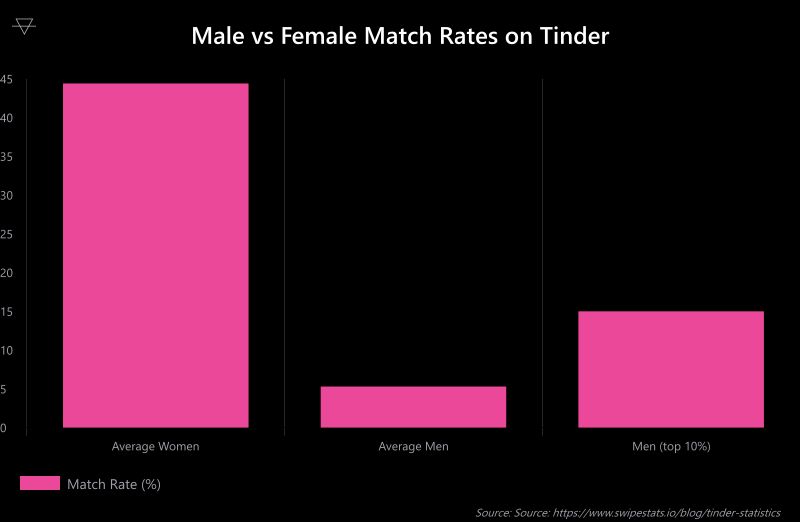
Women swipe right on fewer than 5% of male profiles on Tinder. Men swipe right on 62% of female profiles. That mismatch isn't a personal failing. It's structural. Women receive average match rates of 44.4% versus 5.3% for men. Half of men match less than once every 50 swipes.
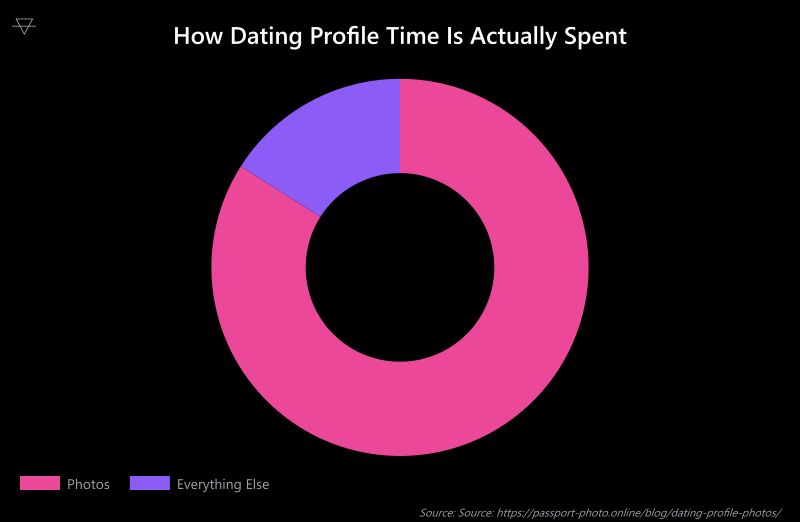
85% of women say photos are the most critical element of a dating profile. You are being sorted in two seconds based on one image.
The looksmaxxing response to this makes sense. If the system is selecting primarily on photos, optimize for photos. Fix the thing getting you filtered out. That's a rational reaction to a broken environment. Clavicular — one of the most-followed voices in the looksmaxxing community — described the movement's original promise to 60 Minutes Australia in 2026:
"Looksmaxxing is self-improvement, right? So it's about potentially even ascending out of that category. So that would be kind of one of the goals — to disassociate from being an incel and overcome that."
— Clavicular, 60 Minutes Australia (2026)
The problem with using Clavicular as evidence is that Clavicular is a modern rock star. The attention he gets isn't because of his jaw. It's the camera, the millions of followers, the money, the platform. Girls used to sleep with Gene Simmons. Famously. Not because he's good looking. Because he's on stage every night. Because he's a trophy. Clavicular operates on the same logic. Take away the platform, put that same face in a normal bar with his documented inability to hold a conversation, and the results look very different. Online, where a well-crafted profile can carry a lot, his looks matter. IRL, they carry less than his audience thinks.
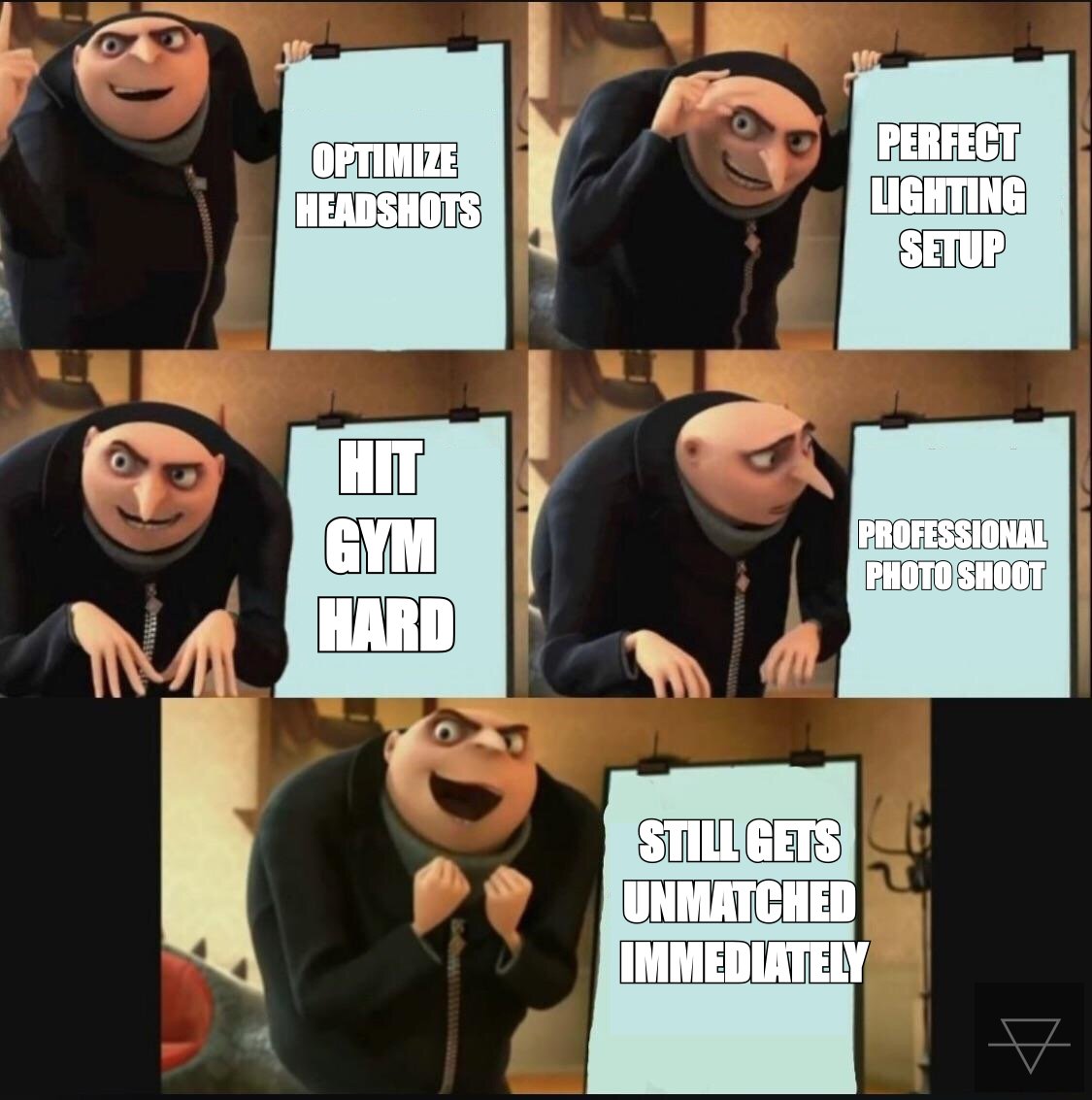
The problem is that the environment these men are optimizing for is also the one driving 78% of dating app users into burnout. You are trying to win a game that most people have already quit.
Dating apps are a specific, brutal medium where attractiveness dominates the first filter. Instagram DMs run on different rules. We covered the full comparison in Instagram vs Tinder for Dating. The short version: when you approach on Instagram, she already knows who you are. That changes everything.
What Most Guys Get Wrong About Looksmaxxing and Dating
Three specific miscalibrations. Recognizing yours saves months.
Treating attractiveness like a gate
Most guys operating in looksmaxxing communities believe there's a minimum threshold they need to cross before anything else matters. Get to a certain PSL score, get lean enough, reach a certain jawline angle, and dating unlocks.
The research doesn't support this. A 2024 study of 5,340 actual swipe decisions found a one standard deviation improvement in physical attractiveness increases selection odds by about 20%. That is meaningful. But 20% is an advantage, not a gate. It means you win more often. It does not mean you suddenly play a different game.
Meanwhile, 53% of young men believe most women are only attracted to a small subset of men. Only 31% of young women agreed with that description. The ceiling men believe exists is largely one they built themselves.
Optimizing for the wrong medium
The looksmaxxing community focuses almost entirely on the swipe. The photo. The two-second sort.
But the men consistently getting results are working in contexts where the photo is one part of a larger picture. They're not competing in the photo queue. They're approaching in environments where their personality can actually be evaluated before she decides.
Six months improving your appearance is time. The same six months learning to write a message that sounds like a person, to notice what she actually posts about, to approach without flinching: that compounds differently. Your physical appearance has a ceiling. Those other things don't.
Confusing inputs with outcomes
I spent about six months doing everything right by the looksmaxxing playbook. Gym five days a week, skincare routine, haircut every four weeks. I dropped twelve pounds and genuinely looked better. Women noticed in person. I went home, opened Hinge, stared at the message box for twenty minutes, and typed "hey, how's your week going." The results were identical to before.
The input changed. The output didn't. Because the output wasn't actually being limited by the input I had changed.
The Research on Looksmaxxing and Physical Attractiveness
What the data says, not what the forums say it says.
Looks have a real, measurable impact
A 2024 conjoint analysis found physical appearance is 7 to 20 times more influential than intelligence, height, or occupation in swipe-stage decisions. On a platform where the only evaluable variable is your photo, appearance dominates. That's not a forum take. That's what the data shows.
This is why softmaxxing works. Gym, grooming, clothes that fit, a good haircut. These genuinely move your position in the photo evaluation. The baseline investment is worth making.
The halo effect runs in both directions
Physical attractiveness is not purely what you look like. It's what people project onto what you look like.
Research shows attractive people are attributed higher intelligence, social competence, and warmth through the halo effect. But the reverse is also documented. Studies have shown that reading a positive character description of someone makes observers rate their photograph as more attractive. How people perceive your personality affects how they rate your appearance.
Practical implication: how you carry yourself, how confident you sound in a first message, how you engage in conversation changes your perceived attractiveness. The jawline doesn't change. The impression can.
The perception gap is the actual problem
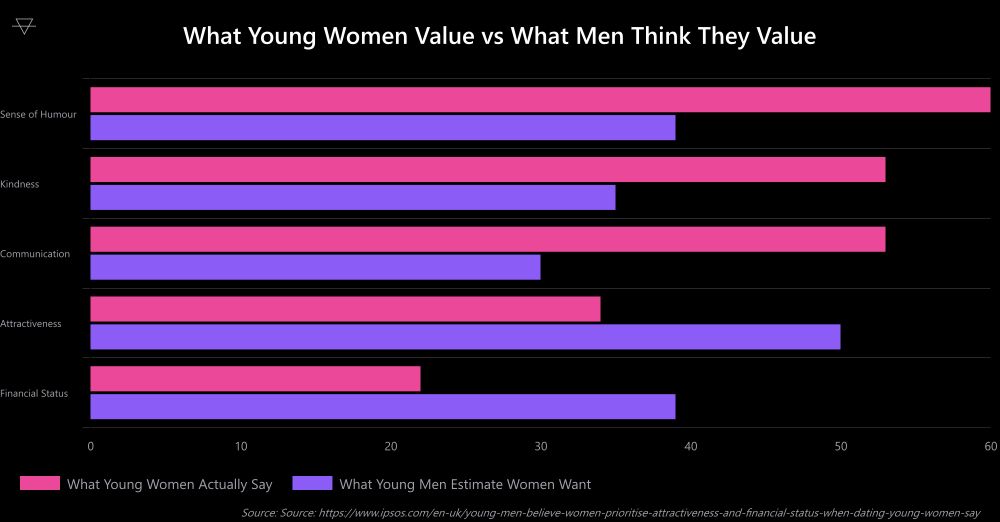
Young women rank sense of humour (60%) and kindness (53%) as the top traits in a partner. Young men estimate women prioritize physical attractiveness first (50%) and financial status second (39%).
Men are not just failing to achieve what they're aiming for. They're aiming at the wrong target.
Short-term and long-term attraction follow different rules
Physical attractiveness explains 82 to 93% of the effect size in short-term partner desirability studies. In a swipe context, where she's sorting candidates she will likely never meet, appearance carries most of the weight.
But humour production contributes an additional 10 to 12% specifically for long-term desirability. Personality traits become the dominant variable once someone is past the photo.
Looksmaxxing as a practice optimizes entirely for the first filter. The filter that matters least once you're past it.
Does Looksmaxxing Work for Dating? The Honest Playbook
Step 1: Do the baseline
Gym three times a week, a good haircut, groom your facial hair somehow, clothes that fit. These are not optional. They're table stakes in a medium where first impressions are photos. Not doing them leaves real points on the table.
The bar is lower than forums make it sound. You do not need to look like the Rock. You need to not be a pudgy, unkempt mess. That's the actual threshold. And it can be cleared today, not in six months.
A haircut and a shower weren't a lifestyle category a year ago. They weren't called anything. They were just called being a normal person. They still are.
Step 2: Recognize the ceiling
The returns from softmaxxing are real and documented. The returns from hardmaxxing are mostly fictional. Rob McElhenney — the It's Always Sunny creator who got shredded between seasons and went viral for it — posted the full breakdown of how he did it:
"Look, it's not that hard. All you need to do is lift weights six days a week, stop drinking alcohol, don't eat anything after 7pm, don't eat any carbs or sugar at all, in fact just don't eat anything you like, get the personal trainer from Magic Mike, sleep nine hours a night, run three miles a day, and have a studio pay for the whole thing over a six to seven month span."
— Rob McElhenney, Instagram (2018)
Mewing does not reshape adult bone structure. This is the medical consensus. The global men's grooming market is valued at $65.3 billion, growing at 7.9% annually, because the basic investment in grooming genuinely works. The cosmetic surgery industry profits from men believing they need to go further. Once you've made the baseline investments, recognize the ceiling and move past it.
One way to calibrate: the jump from a 3 to a 4 is proportionally much larger in real-world impact than the jump from a 7 to an 8. The early gains are real and accessible. Everything after that is diminishing returns repackaged as a program.
Step 3: Use the confidence somewhere it counts
Self-perceived attractiveness predicts dating success primarily through one mechanism: confidence in approaching. The gym doesn't create opportunities. Sending the message does.
The first time I got a girl's number through Instagram, I hadn't changed anything about my appearance in months. She was into ceramics. I'd actually been to the studio she posted about. I had something specific to say. She replied in under two minutes. She mentioned later she almost never responds to DMs, but that one felt like a conversation rather than an approach.
The studio didn't care about my jawline.
Step 4: Move from apps to Instagram DMs
Dating apps are where your photo is ranked against 50 competitors simultaneously. Instagram DMs start with context. She's seen your profile, your posts, your existence before your message arrives.
That changes the dynamic. You're not a face in a queue. You're a person she's encountered before. We covered how to make that work in how to get a date from Instagram and in the full Instagram DM openers breakdown. The approach is different because the environment is different.
Step 5: Lead with specificity
Her first message evaluation is a personality scan. She's not thinking about your bone structure. She's figuring out whether you're worth responding to.
Reference something specific from her profile. Show you paid attention. One sentence about something she actually posted will outperform six months of jaw optimization in reply rate every time.
Once she's past the photo, personality is the whole game — and it starts with knowing who she is. Drop her handle into Piercr and it reads her Instagram, her posts and who she follows, then tells you what she's into and the best way to open. You write the message. No mewing required. Try it free.
Advanced: When Looksmaxxing Becomes a Trap
The algorithm problem
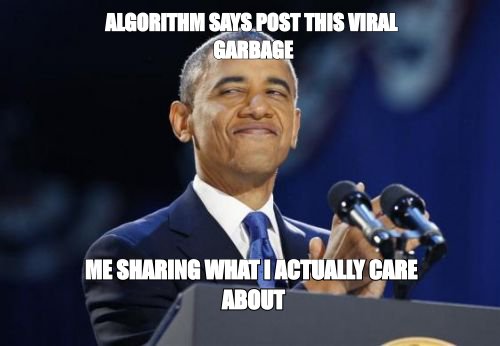
The looksmaxxing community runs on engagement-maximizing algorithms. Those algorithms profit from insecurity, not from your dating results. Tom Hildebrandt, a clinical psychologist at Mount Sinai who studies body image in men, told Fortune exactly how that machinery works:
"The producers of [looksmaxxing] content and products are figuring out that men are just as vulnerable as women to that negative feedback. If you make anyone feel insecure about their identities, they are willing to throw money after a solution for that."
— Tom Hildebrandt, clinical psychologist at Mount Sinai, Fortune (2024)
The platform is not trying to help you reach a point where you stop engaging. It's keeping you in the loop.
The Umax app, a looksmaxxing AI that rates your facial features, has 7 million downloads and generates approximately $500,000 per month in subscription revenue. They are not incentivized by your dating success.
Body dysmorphia is the silent cost
Clinical psychologists report a near 30 to 40% increase in young men seeking cosmetic procedures, attributed specifically to social media and looksmaxxing trends. Some practices now see equal numbers of male and female patients with body image concerns.
Sera Lavelle, a clinical psychologist studying this shift, put it plainly: "Society is now getting equally horrible for men as it has been for women for a long time."
These communities carry real psychological cost. The youngest patient documented in the research literature for looksmaxxing-driven body image concerns was nine years old.
The competitive advantage nobody discusses
Men who understand the perception gap and invest in personality expression consistently outperform men who only optimise for appearance. A well-calibrated message sent to the right person on the right platform generates more genuine results than six months of face tracking.
This isn't motivational advice. It's the direct implication of the Ipsos data. If women say humour and kindness outrank attractiveness in their actual preferences, and you are investing entirely in attractiveness, you are working on the less efficient lever.
What This Looks Like in Practice
Two examples. Different contexts. Same underlying principle.
The profile check that changed nothing about his face
A guy messaged the same girl twice. First from Tinder, where she had never seen his name. Cold match, cold DM, no reply. Three weeks later he found her on Instagram. She had seen four of his posts by then. He referenced something specific from her bio about a road trip she'd done.
She replied in six minutes.
Nothing changed about his face between those two messages. What changed was the context she was evaluating him in. She knew something about him before his message arrived.
The lesson is not that Tinder is bad and Instagram is good. The lesson is that what girls actually look for on your Instagram is not just a headshot. It's a person with a life. Give them something real to evaluate.
The conversation that never mentioned his canthal tilt
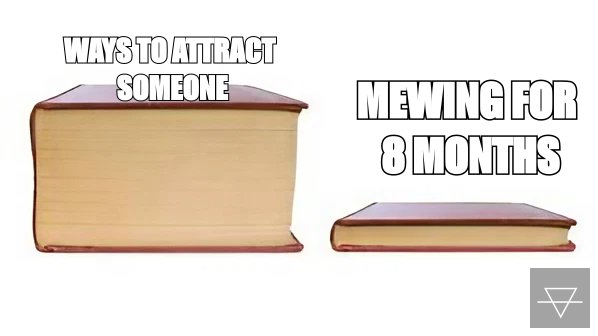
He messaged a girl who was into hiking. Not because he'd been mewing for eight months. Because he'd actually done the trail she mentioned in her bio. He had a specific thing to say.
She was guarded at first. Short replies, testing energy. He stayed specific and matched her pace. By the seventh message she was asking where he'd camped on the route.
She never asked about his bone structure. They went on the date. He'd noticed the signs she was interested long before he suggested meeting up.
The approach that worked had nothing to do with looksmaxxing. It had everything to do with paying attention.
The Bigger Picture
Looksmaxxing exists because dating apps created a market for it. Apps turned attraction into a sorting algorithm. The algorithm sorts on photos. Men responded by trying to optimize their photos. That logic is internally consistent, up to the point where it isn't.
You can make your photo better. You cannot make it infinitely better. The men who get consistently good results aren't the best-looking in the competition. They're the ones who stopped competing in the photo queue and started showing up somewhere the photo isn't the whole story.
Attractiveness is partly a perception. It responds to confidence, humor, and genuine specificity in ways that bone structure does not. A man who knows how to hold a conversation is perceived as more attractive than a man with a better jawline who doesn't. This is in the research. The guys spending three hours a week on jaw exercises would get more dates investing that same three hours in learning to be more confident with women and sending one good message.
There's also this: how you treat yourself is visible. If you're unkempt, if you've let yourself go, if you clearly don't care — that gets written on you. Women can read it before you open your mouth. The genuine insight at the bottom of the looksmaxxing movement is that taking care of yourself is respect. The movement just buried that insight under bone-smashing tutorials and facial scoring apps.
Try Piercr
Personality beats a jawline once she's reading your message instead of ranking your photo — but only if the message shows you actually paid attention to her. Drop her handle into Piercr and it reads her Instagram, her posts and the accounts she follows, then gives you a plain-English read on what she's into and the best way to open. You write it, so it sounds like you.
Try Piercr free and start dating on a platform where your approach counts for more than your canthal tilt.
FAQ
Q: Does looksmaxxing actually work for dating?
A: Looksmaxxing can help, but only up to a point. Research shows a one standard deviation improvement in physical attractiveness boosts your selection odds by about 20% on dating apps. Softmaxxing basics like gym, skincare, and grooming deliver real returns. Extreme hardmaxxing measures largely don't, and some carry significant psychological risks.
Q: Is softmaxxing worth it for dating?
A: Yes. Looking like you put effort in signals self-respect and has documented positive effects on confidence. The goal is not to engineer your face. It's to stop leaving easy points on the table through basics you can fully control.
Q: What do women actually find attractive in men beyond looks?
A: Ipsos research shows young women rank sense of humour (60%) and kindness (53%) above attractiveness when describing what they value in a partner. Physical appearance matters most for first impressions, but personality and communication become the primary drivers once you are past the photo stage.
Q: Can looksmaxxing lead to body dysmorphia?
A: It can. Clinical psychologists report a significant rise in male body image disorders, with some practices now seeing equal numbers of male and female eating disorder patients. Researchers specifically point to algorithm-driven looksmaxxing content as a driver of obsessive patterns in young men.
Q: Does improving your looks help on dating apps?
A: Yes, but dating apps are a difficult medium regardless of appearance. Average male match rates on Tinder hover around 5%. Moving to Instagram DMs changes the environment significantly because you approach with context, not just a photo in a ranking queue.