
How to Handle Rejection in Dating (Without Losing It)
She said no. Not the silent kind where you're guessing. Not the slow fade where you convince yourself she's just busy. She looked at your message and told you she wasn't interested. Or she unmatched you. Or she blocked you. Or she said "I have a boyfriend" in a tone that made it clear she'd rather talk about literally anything else.
And it hit you. Harder than you expected. Harder than it should have, probably, given that she's someone you exchanged four messages with on a platform designed for sharing brunch photos.
Handling rejection in dating means accepting that your brain processes a "no" through the same neural pathways as physical pain, and responding with either silence or "no worries, take care" instead of the angry follow-up your cortisol is drafting.
This post is about that hit. Not about silence or ghosting, which is a different problem with a different solution. This is about explicit rejection. The kind where you know exactly where you stand because she told you. And the part nobody warns you about: knowing where you stand doesn't make it easier. It makes it worse. Because now there's no ambiguity to hide behind.
In This Post
- The Neuroscience of Why Rejection Destroys You
- Why Rejection Hits Harder Over DMs
- The Only Two Acceptable Responses to Rejection
- She Rejected Your Approach, Not You
- The Abundance Mindset Is Not Optional
- Why Instagram Makes Rejection Easier to Survive
- FAQ
The Neuroscience of Why Rejection Destroys You
You're not being dramatic. Your brain is literally treating this like a wound.
In 2003, Naomi Eisenberger's team at UCLA put people in an fMRI machine and had them play a virtual ball-tossing game called Cyberball. Halfway through, the other players stopped throwing the ball to the participant. They were excluded. And the anterior cingulate cortex, the same brain region activated by physical pain, lit up during the exclusion. The overlap between social pain and physical pain wasn't a metaphor. It was measurable.
A follow-up study made it weirder. Researchers gave participants acetaminophen, the active ingredient in Tylenol, daily for three weeks. Compared to placebo, the Tylenol group reported fewer hurt feelings from daily social interactions. When they put both groups back in the fMRI scanner, the acetaminophen group showed significantly less activation in the dorsal anterior cingulate cortex and anterior insula during social exclusion. A painkiller designed for headaches reduced the neural response to rejection.
Your body does not distinguish between a girl blocking you on Instagram and someone stepping on your foot. The pain pathways overlap. The cortisol spike is real. 65% of people experience short-term anxiety spikes after rejection, and the cortisol increase can last up to 48 hours. You are not weak for feeling this. You are a mammal whose survival once depended on social acceptance, and the hardware hasn't updated since the savannah.
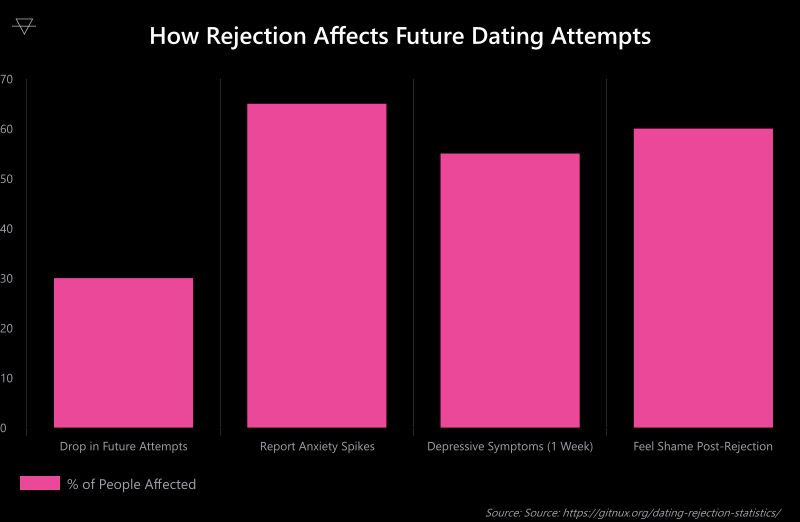
The numbers tell a blunt story. 55% of rejected daters report depressive symptoms lasting up to a week. 60% feel shame. And 30% reduce their future dating attempts after a significant rejection. One "no" from a stranger is literally changing people's behavior for months. That's not a personal failing. That's biology running software from 200,000 years ago on a problem it was never designed to handle.
Why Rejection Hits Harder Over DMs
Here's the part nobody talks about. Rejection over DMs should hurt less than rejection in person. The stakes are lower. You haven't met her. You haven't been on a date. You sent a message to a profile picture. But it often hurts more, and there's a specific reason why.
You had time to build a story.
In person, rejection is instant. You walk up, you get turned down, the feedback loop is seconds long. Over DMs, you found her profile. You looked through her photos. You read her bio. You crafted a message. You maybe waited hours or days for a response. In that time, your brain did what brains do: it projected. It filled in the gaps. It imagined conversations you hadn't had. It decided she was funny based on a caption and kind based on a photo with her dog. By the time she replied "thanks but I'm not interested," you weren't being rejected by a stranger. You were being rejected by a character your imagination had been writing for three days.
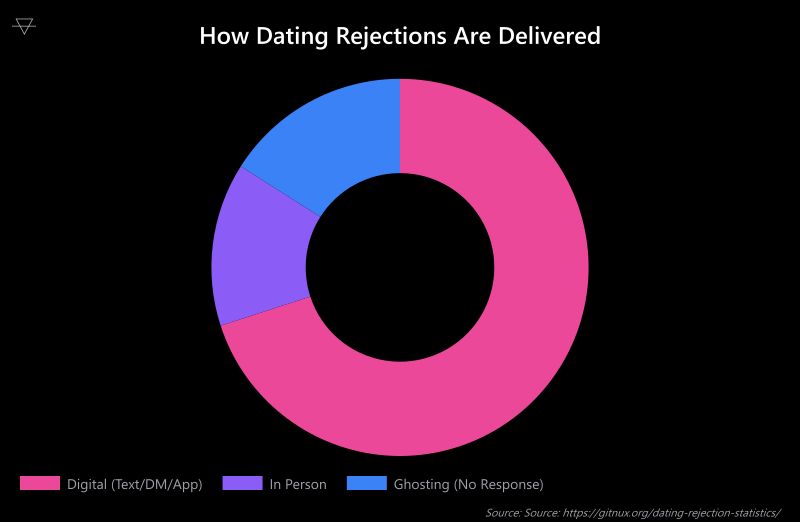
70% of dating rejections now happen through digital communication. That's not just a statistic about convenience. It's a statistic about the space between sending and receiving. Every hour you wait for a response is an hour your brain spends inflating the stakes. The rejection doesn't hurt because she said no. It hurts because by the time she said no, you'd already said yes in your head a dozen times.
This is also why 56% of Gen Z daters say fear of rejection has stopped them from pursuing someone. They're not afraid of the word "no." They're afraid of the story collapsing. The version of the future they built in their head while she was deciding whether to reply. If you never send the DM, that fantasy stays intact. Rejection kills it. And the brain processes that loss the same way it processes any loss: with grief it didn't earn.
The Only Two Acceptable Responses to Rejection
She said no. Here's what you say back.
Option one: nothing. Close the conversation. Don't reply. Don't react to her story the next day hoping she'll notice. Don't soft-block her so she knows you're bothered. Just stop. Silence after rejection is not petty. It's proportionate. She made her position clear. Accepting it without commentary is the most mature thing you can do.
Option two: "No worries, take care." Five words. No follow-up. No qualifier. Not "no worries but if you change your mind." Not "no worries, can I ask what I did wrong?" Just the acknowledgment and the exit. This response does something powerful: it makes her feel safe about having been honest. Most women have had the experience of rejecting a guy and getting an angry response. 40% of people report feeling angry or resentful after rejection. When you respond with grace, you become the exception she tells her friends about. Not because you're playing a long game. Because you're a functional adult.
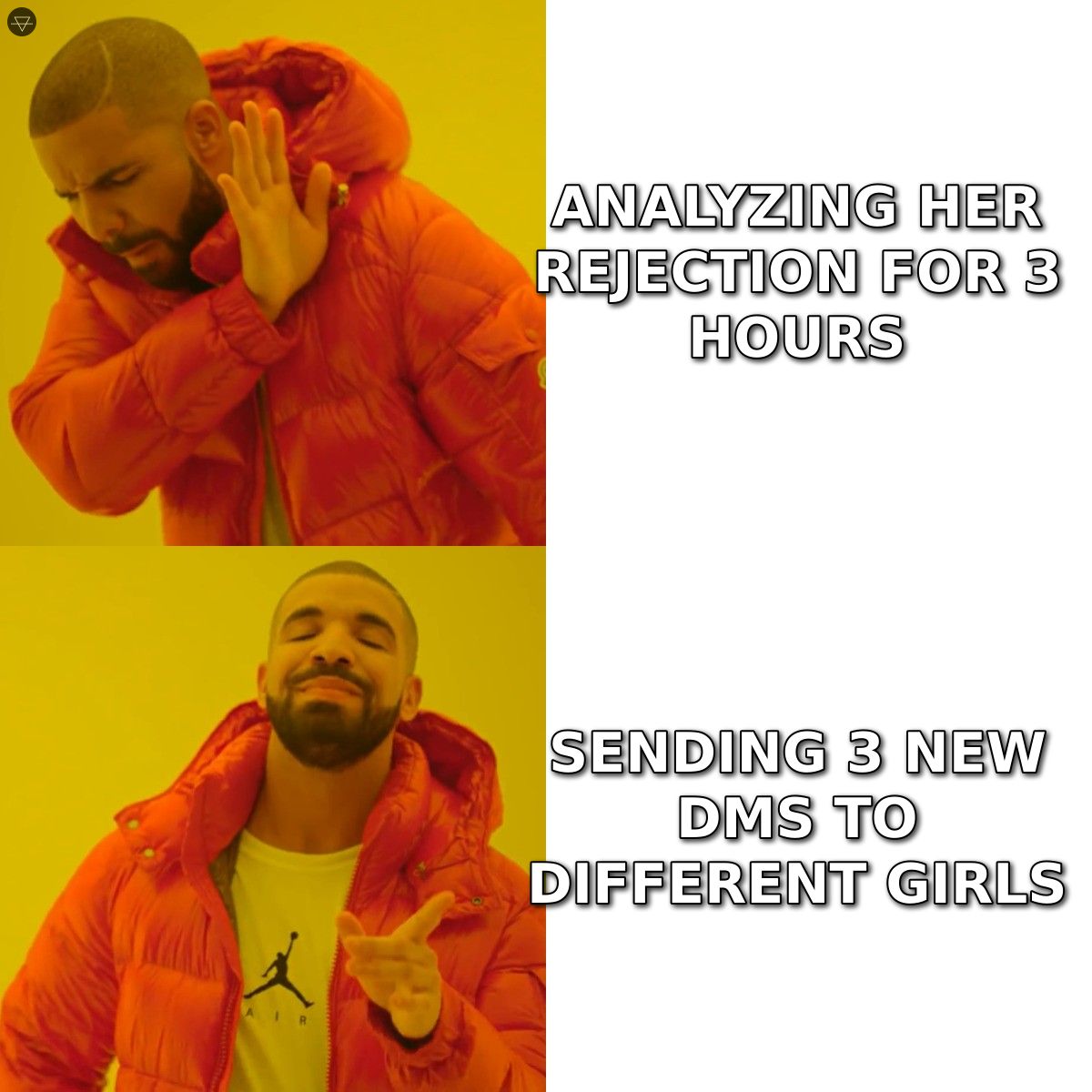
Here is the complete list of things you should never do after being rejected:
Never ask why. You will not get a useful answer. She'll either soften the truth to protect your feelings or tell you something so specific it doesn't generalize to anyone else. "Why" is a question that feels productive but leads nowhere. She doesn't owe you a performance review.
Never try to change her mind. "But you haven't even given me a chance" has never, in the history of human communication, resulted in someone changing their mind. It has, however, resulted in screenshots being sent to group chats. She made a decision. Trying to argue with her decision tells her the decision was correct.
Never get angry. Not in her DMs, not on your story, not in a vague post about how "girls only want guys who treat them badly." 40% of rejected daters feel anger. Fine. Feel it. In your room. With your phone in another room. The moment you express that anger to or about her, you've confirmed every stereotype about guys who can't handle no.
The next conversation stings less when it actually connects. Drop her handle and Piercr reads her Instagram — her posts and the accounts she follows — then gives you a plain-English read on her vibe and the best way to open. You write the message; it just lands better. Try it free.
She Rejected Your Approach, Not You
This is the distinction that changes everything, and most guys never make it.
When a girl you've never met says no to your DM, she is not rejecting you. She can't reject you. She doesn't know you. She knows a username, a profile grid, and one or two messages. That's it. She rejected an approach. A set of words sent at a specific time to a specific person who was in a specific mood when she read them.
Think about what she actually evaluated. Your profile photo. Maybe your last nine posts. The first line of your message. The time of day you sent it. Whether she was in a good mood or a bad one. Whether she'd already received fourteen similar messages that day. Whether the last guy who messaged her was weird and now she's on guard. None of this is about you. It's about context. And context changes every single time.
82% of men's initial messages on dating platforms go unanswered. That's not because 82% of men are undesirable. It's because cold outreach of any kind, in any industry, in any context, has a low hit rate. Sales teams celebrate a 3% cold email conversion rate. Recruiters expect 90% of outreach to go ignored. Only in dating do we treat the exact same math as a personal indictment.
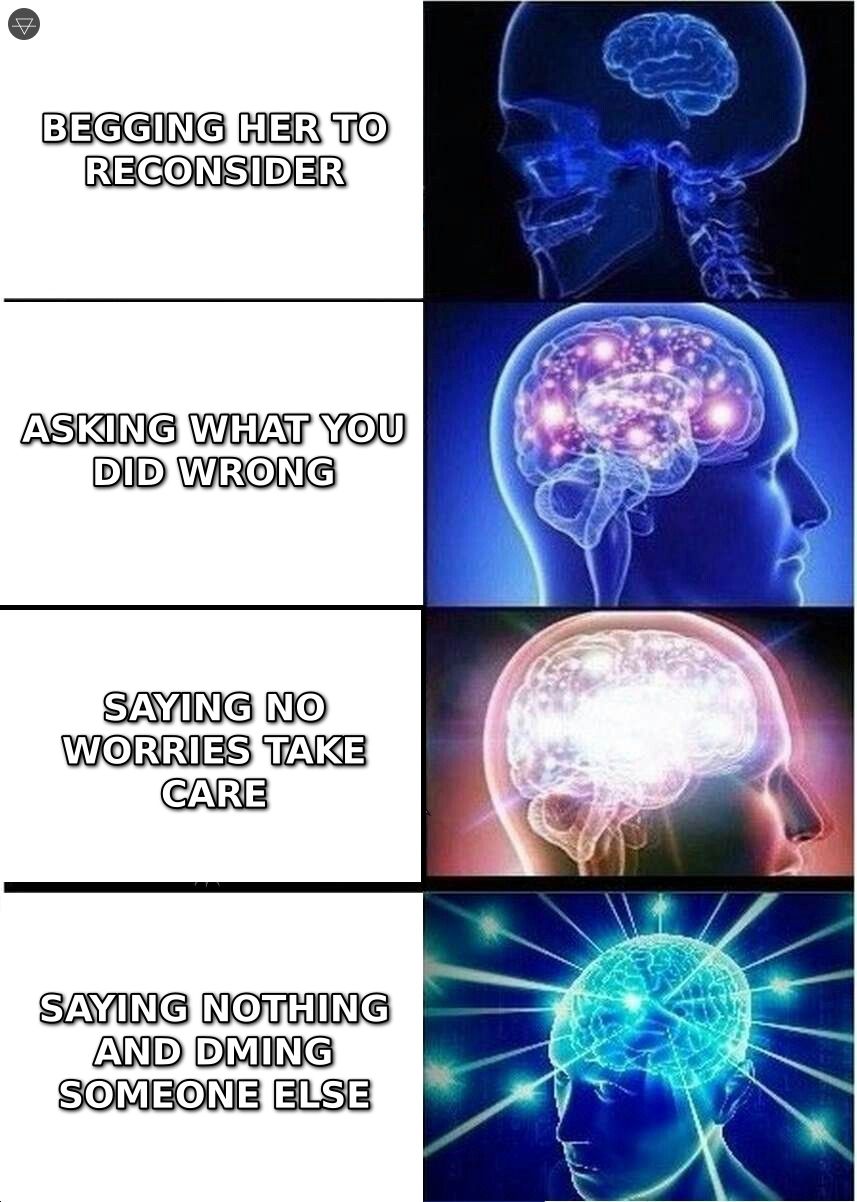
The rejection of your approach is useful data. The rejection of you as a human being is something she doesn't have enough information to deliver. Stop accepting a verdict from a jury that never saw the evidence.
Here's what approach rejection actually tells you:
Your opener might need work. If you're getting rejected consistently, look at what you're sending. Generic messages get generic outcomes. "Hey" and "you're cute" are the dating equivalent of an email that starts with "Dear Sir or Madam." Research shows that specific, observational openers get significantly higher response rates than compliment-based ones.
Your profile might need work. She checked your grid before responding. If your last post was from 2024 and your bio is empty, you didn't get rejected. You got screened out. What she sees on your profile determines whether she gives your message a chance.
The timing might have been wrong. She could have been in a relationship, recovering from a breakup, or just not in a place where she wants to talk to strangers. None of which you could have known. None of which you caused.
The Abundance Mindset Is Not Optional
One rejection feels like the end of the world when she was the only girl you were talking to. It feels like a Tuesday when she was one of fifteen.
This is not about treating women as interchangeable or disposable. It's about proportion. If you send one DM per month and that DM gets rejected, you just lost 100% of your pipeline. If you send ten DMs per week and one gets rejected, you lost 10% of one week's effort. The emotional math changes completely.
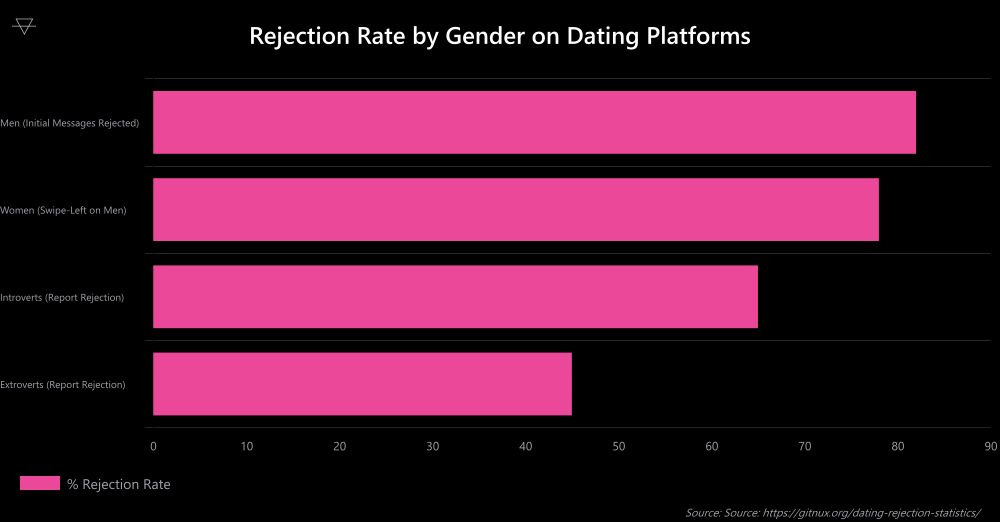
The data shows that introverts face a 65% rejection rate compared to 45% for extroverts. Part of that is approach style. But a bigger part is volume. Extroverts aren't better at avoiding rejection. They're better at absorbing it because they have more interactions to dilute it.
67% of rejected daters rebound within two weeks. The ones who don't are almost always the ones who had everything riding on a single person. They weren't more invested. They were more concentrated. And concentration is the enemy of resilience.
I'll put it bluntly: if you can't handle a girl not replying to your DM, you're not ready for dating. Not because you're too sensitive. Because you haven't built the infrastructure. Dating without an abundance mindset is like investing your entire net worth in a single stock and then being devastated when it drops. The problem isn't the stock. It's the portfolio.
An abundance mindset doesn't mean you care less about each person. It means each rejection costs you less because it represents a smaller percentage of your total effort. It means you can respond to "no" with "no worries, take care" and genuinely mean it, because you have eight other conversations that are going well.
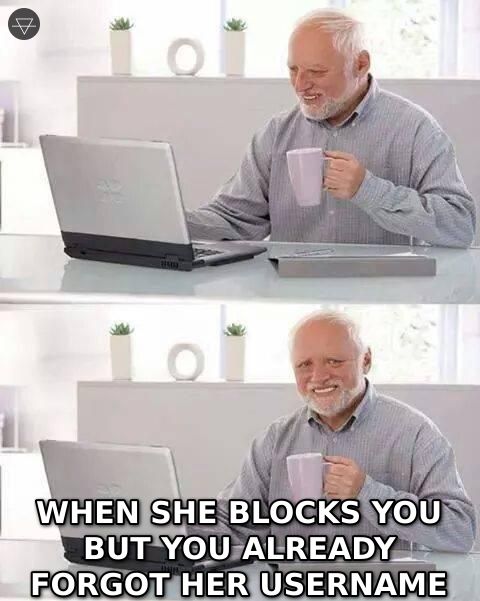
Why Instagram Makes Rejection Easier to Survive
If you're going to get rejected, Instagram is the best place for it to happen. And I realize that sounds absurd, but hear me out.
On a dating app, rejection carries metadata. She saw your height, your age, your job title, your carefully selected photos, and she said no. That feels comprehensive. It feels like she evaluated the full package and passed. On Instagram, she saw a story reply from a guy she doesn't follow. The amount of information she used to make her decision was so small that the decision itself carries almost no diagnostic value.
Instagram DMs also have something dating apps don't: zero mutual commitment. On a dating app, you both opted into the same system. You both swiped. There was a match, an expectation, a framework. When that falls apart, it feels like a broken agreement. On Instagram, she never agreed to anything. She posted a story about her coffee and you replied to it. There was no contract. The stakes were, objectively, as low as stakes get in human interaction.
This is why guys who date through Instagram instead of apps tend to handle rejection better. Not because they're tougher. Because the platform keeps the stakes honest. A story reply that gets ignored costs you eight seconds of typing. A match that unmatches you after three days of texting costs you three days of emotional investment. The loss is proportional to the input, and Instagram keeps the input low.
The other advantage is speed. On Instagram, you can find and message someone new in under a minute. There's no swiping quota, no algorithm throttling your visibility, no ELO score punishing you for being average-looking. The platform lets you move on faster because it doesn't gatekeep your access to new people. Rejection stings less when the next opportunity is sixty seconds away.
The Mindset Shift
Rejection is data, not a verdict. It tells you something about your approach, your timing, or her circumstances. It tells you nothing about your worth as a person. The guys who spiral after rejection and the guys who shrug it off are not built differently. They're positioned differently. One has a single conversation. The other has many.
If she said no, accept it. If she blocked you, accept it. If she unmatched you, accept it. Not because rejection doesn't hurt. The neuroscience proves it does. But because your response to rejection is the only part you control, and that response determines whether you're the guy who sends one failed DM and quits for six months, or the guy who sends one failed DM and sends a better one to someone else before dinner.
Rejection is the entrance fee to dating. Every person you've ever admired for being good with women has been rejected more times than you have. Not fewer. More. They just kept going. Because they understood proportion. Because they had enough conversations that one dead end didn't feel like a roadblock. Because they knew that the opposite of rejection isn't acceptance. It's another attempt.
Stop treating every no like a final score. It's one data point in a dataset you're still building. And the dataset only stops growing if you do.
Try Piercr
The worst rejection is the one you let define you. The second worst is the one you let stop you. When you actually understand the person you're messaging, a "no" feels less personal and easier to move past. Drop a handle and Piercr reads her Instagram — her posts and the accounts she follows — then hands you a plain-English read on her vibe and the best way to open. You write the message yourself.
Try Piercr free and make your next opener good enough that rejection feels like what it is: a comma, not a period.
FAQ
Why does rejection hurt so much?
Because your brain processes social rejection using the same neural pathways as physical pain. An fMRI study at UCLA found that the anterior cingulate cortex, the same region activated by physical pain, lights up during social exclusion. A follow-up study showed that acetaminophen reduced both physical and social pain responses in the brain. Your body treats a girl saying no the same way it treats stubbing your toe.
How do you handle rejection in dating without taking it personally?
Separate the rejection of your approach from the rejection of you as a person. She turned down a DM, not your entire identity. 70% of dating rejections happen through digital communication, which means she rejected a message, not a human being standing in front of her. The less you invested before the rejection, the less it should cost you emotionally.
How do you respond when a girl rejects you over text?
Say nothing or say "no worries, take care." Those are the only two options that preserve your dignity. Never argue, never ask why, never send a follow-up trying to change her mind. 40% of people report feeling angry after rejection, and every message you send in that state will confirm her decision was correct.
How do you get over rejection from someone you like?
Volume. One rejection feels catastrophic when she was the only girl you were talking to. It feels like a Tuesday when you have nine other conversations going. The abundance mindset is not about treating women as disposable. It's about not staking your self-worth on a single person's response to a single message.
Is rejection on Instagram less painful than in person?
It should be, because the stakes are objectively lower. You sent a DM to someone you've never met. She didn't reject your personality, your humor, or your character. She rejected a few sentences from a stranger. Instagram DMs are low-cost, low-commitment interactions, and the emotional weight you assign them should match that reality.